


The difference between a monograph and a dissertation
What is a dissertation?
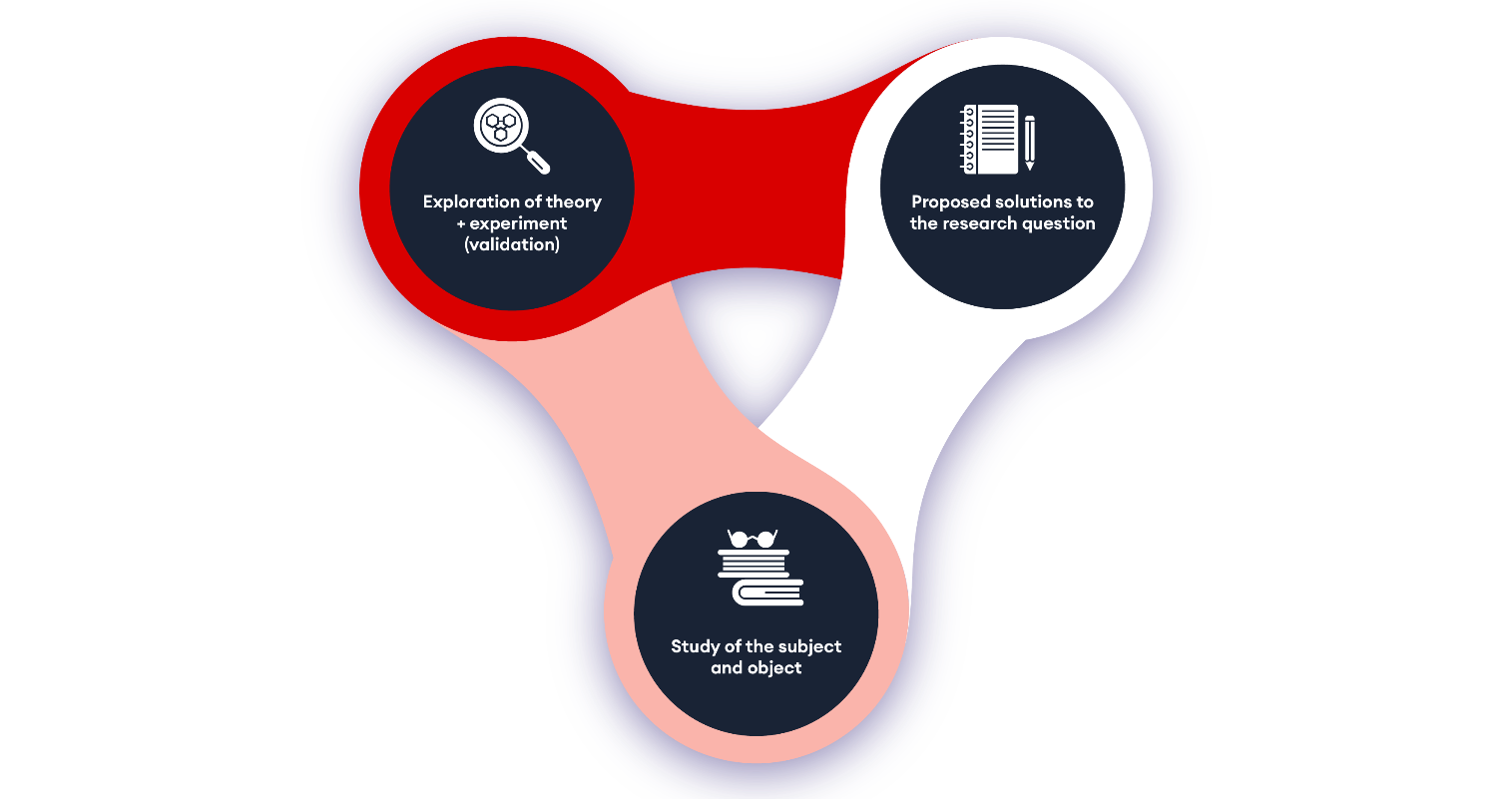
A dissertation is a multi-component work written by a researcher to obtain a degree. This qualifying work contains scientific hypotheses and theories that are confirmed in the research. The dissertation should include new scientific results and reasonable conclusions, have practical significance, and address an actual scientific problem.
There are two types of dissertations:
-
Candidate dissertation
- Social-humanitarian direction: 150-220 pages (on average 175 pages)
- Natural-technical direction: 110-170 pages (on average 140 pages) -
Doctoral dissertation
- Social-humanitarian direction: 360-400 pages (on average 380 pages)
- Natural-technical direction: 260-320 pages (on average 280 pages)
Both types of research address relevant scientific problems. However, the specificity of a doctoral thesis lies in the innovativeness of the author's perspectives, while the primary goal of a candidate dissertation is to optimize the efficiency of investigating an existing problem. Additionally, differences are evident in the number of processed sources, the scope of work, and the deadlines for defense. For more information on the difference between these types of work, read here.
What is a dissertation for?
A dissertation is necessary for:
-
Confirming qualifications.
-
Advancing general scientific thought and continuing the researcher's career.
-
Recognition by the scientific community and self-realization of the author.
-
Making a practical contribution to science and developing its value potential.
-
Solving scientific problems in a specific field.

A dissertation work should be:
-
The research text of the dissertation should be unique, just like the scientific idea of the qualifying work.
-
The results of the work should have practical application.
A dissertation is a multi-stage process of developing a scientific study by a student, which is implemented according to standards and a verified structure, including requirements for formatting and content.
Formatting rules for a dissertation
What is a monograph?
A monograph is a comprehensive research work to study a specific problem or topic. It can be published in the form of a book or a collection and may be part of a dissertation research.
There are two types of monographs:
-
Authorial monograph
-
Collective scientific monograph
An authorial monograph is a work written by a single researcher who independently examines the stated problem and presents their perspective on its investigation. A collective scientific monograph is a comprehensive study by a group of scholars who publish their findings within the framework of a single scientific program or theme.
To obtain a doctoral degree, the author must have a minimum of two monographs.
Requirements for writing a monograph
-
Candidate monograph
-
- Social-humanitarian direction: 150-220 pages (on average 200 pages)
- Natural-technical direction: 110-170 pages (on average 160 pages) -
Doctoral monograph
- Social-humanitarian direction: from 190 pages (on average 380 pages)
- Natural-technical direction: from 145 pages (on average 260 pages)
What is the difference between a dissertation and a monograph?
The dissertation and monograph are different forms of scholarly research, distinguished by characteristics, purpose, scope, and structure.
Dissertation:
-
It is a scholarly text requiring high academic rigor, originality, and contribution to scientific knowledge.
-
Includes carefully developed chapters, literature review, methodology, logically presented results, and their justification.
-
Aimed at scientific discoveries and original research.
-
May be published at the author's discretion.
Monograph:
-
Usually addresses a single topic or issue.
-
May contain various approaches and theories, making its research more diverse.
-
May be written by a single author or a group of researchers.
-
Intended for a broad audience and may be considered as scientific-popular literature.
Key differences between a dissertation and a monograph:
-
Dissertation aims at new scientific discoveries.
-
Monograph may include both new research and previously known results in science.
-
Dissertation is typically an individual research endeavor.
-
Monograph may comprise a compilation of works by other authors.
-
The writing format of a dissertation is more strict and scientific.
-
The writing format of a monograph can be more accessible and straightforward.
-
In a dissertation, a researcher may explore a range of significant questions.
-
In a monograph, the focus is primarily on studying one theme.
-
Dissertation has a narrow focus on the circle of scholars.
-
Monograph is aimed at a wide audience and can be considered scientific-popular literature.
-
To obtain an academic degree, a defended dissertation is required.
-
A monograph can be completed with the publication of material.
By using our dissertation or monograph writing services, refer to our "Research Works" page. We will provide quality and prompt assistance in creating academic works to help you achieve desired results and advance your scientific career.

