


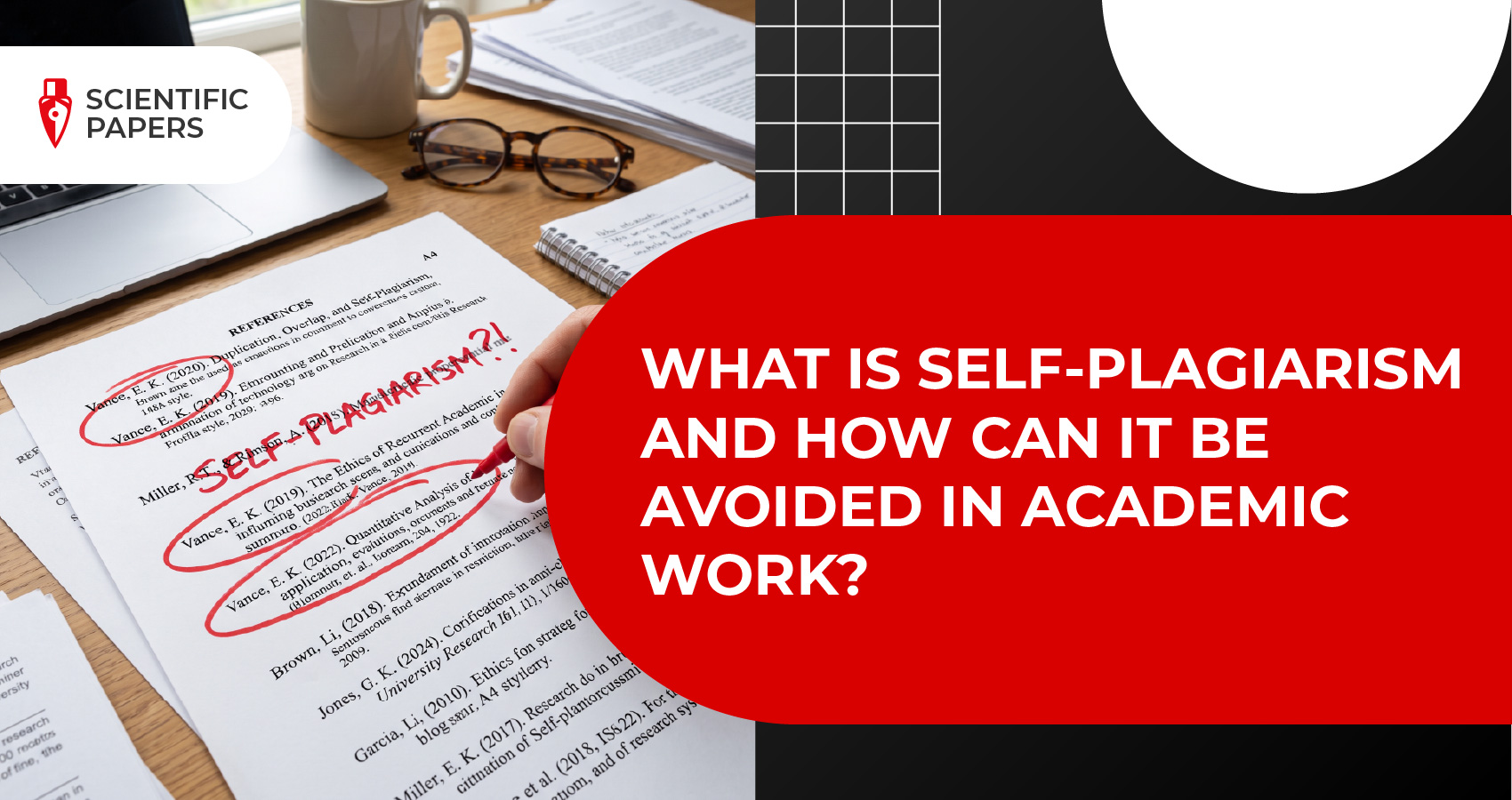
When preparing various academic materials, authors often refer to their own previous research. The use of previously published results is not always a violation in itself, as a new work may logically continue a previous one. What is considered self-plagiarism? Read on.
Digital resources are useful in scientific work, as they help optimise a range of work processes. On which platforms can researchers find high-quality scientific materials? We explain in our article.

High-quality research requires the use of a reliable and verified information base. In this article, we will look at the key platforms for effectively searching for scientific materials.

Why should students participate in scientific conferences? We explain why you shouldn't pass up the chance to join them and what benefits you can gain.
In addition to rigorous preparation for the Master's entrance exams, applicants need to be attentive to all formal aspects: meeting the registration deadlines, correctly completing and submitting documents, and knowing the key procedures. In this article, we will review the key stages of registration for the EMI and the UPEE for admission to a Master's degree programme in 2025.

One of the key documents required when submitting an article to a journal is a cover letter. It forms the first impression of your work and can have a significant impact on whether the article is accepted for peer review. In this article, we will look at the main stages of writing a cover letter and provide practical advice on how to draft one.