


Requirements for the structure and content of a dissertation
A dissertation is a specialized academic work undertaken by a researcher to obtain an academic degree. This type of research is complex, requiring time, authorial responsibility, and dedication to the writing process.
When composing the text, numerous aspects need to be considered, ranging from the specific structure of the research to formatting rules and content. Let's delve into some of these components in detail.
Scientific outcome + substantiated conclusions + relevant scientific problem + practical significance = successful dissertation research;
Features of dissertation research
Doctoral and candidate dissertations are typically distinguished as types of scientific work. It's worth noting that both works have similar structures, but the primary factor that sets them apart is primarily the volume of text: a doctoral dissertation is an expanded study, while a candidate dissertation is limited in the number of pages. Also, the purpose of these two works is different. By purpose, it is understood that a doctoral thesis should propose an innovative idea by the researcher (innovation is a special requirement). In contrast, a candidate thesis merely examines a specific issue and proposes its improvement.
Both works are extremely important and challenging to complete. Therefore, when choosing a path for a scientific career, it is necessary to plan how you will approach the topic and what results you will aim for during the writing process.
Remember that the dissertation must be unique, meaning it should not contain plagiarism. This entails avoiding the use of other researchers' theses without proper citation, avoiding improper citation formatting, excessive self-citation, and literal copying of individual text fragments.
Work volumes:
- Master's thesis:
- Social Sciences and Humanities: 150-220 pages (average of 175 pages)
- Natural Sciences and Engineering: 110-170 pages (average of 140 pages)
- Doctoral dissertation:
- Social Sciences and Humanities: 360-400 pages (average of 380 pages)
- Natural Sciences and Engineering: 260-320 pages (average of 280 pages)
What to pay attention to?
Data collection: The beginning of any research involves gathering information and drafting a preliminary plan and a list of literature. In the case of sociological research, data collection may involve primary data processing, such as surveying research participants.
High uniqueness of the work done: Rewriting others' thoughts without proper citations or excessive use of constructions from the works of other researchers is unacceptable for candidates for academic degrees. The uniqueness of the work lies in avoiding synonymization and superficial rewriting. Dissertations are subject to plagiarism checks through services like Antiplagiarism, which are accessible to educators and higher education institutions.
Practical value: The dissertation should yield practical results, hence theory testing is necessary. Practical value is not limited to the experimental part of the research but also relates to the scientific contribution that the researcher makes to their work.
What steps precede dissertation writing and are mandatory for a degree seeker?
Before writing a dissertation, a degree seeker must complete a series of mandatory steps.
Firstly, within the framework of scientific activity, the degree seeker must execute a scientific plan, which is mandatory for every graduate student and potential researcher. Additionally, the future dissertation author should have published scientific articles in category "B" journals. Publication of works in scientometrics databases such as Scopus and WOS is desirable, although there are currently no official requirements for this.
Secondly, the education of the graduate student should be accompanied by active participation in various scientific events. This includes participation in conferences, round tables, writing abstracts, and delivering presentations. These actions are mandatory before writing the dissertation.
What ensures the completion of this type of qualification research?
- Writing a candidate or doctoral dissertation contributes to the researcher's inclusion in the scientific community and allows them to realize themselves as professionals by acquiring valuable contacts in the field of science.
- This type of research requires the author to systematize the processed material and delve into the topic to ensure that the dissertation meets the requirements of novelty and relevance. If the research lacks innovation or sufficient relevance, it may fail to engage the reader and may not pass the evaluation by the examining committee. Thus, writing a dissertation contributes to the author's development as a full-fledged researcher with their views and the ability to propose solutions to specific problems.
- An important aspect of dissertation writing is its research contribution. The author must fulfill mandatory conditions, such as publishing scientific articles, participating in conferences, and writing other scientific materials. Additionally, the author must be prepared to demonstrate the practical significance of their work to have the potential to develop their dissertation in terms of value and quality.
Research Topic
Choosing a research topic is a key stage that determines the success of your work. Therefore, when deciding on the topic, you should follow several important tips:
Relevance of the Topic: Choose a topic that is relevant and meets the demands of the scientific community. Your research should make a significant contribution to the respective field and address current issues.
Language Formulation of the Topic: When formulating the topic, use scientific vocabulary, but avoid overly complex grammatical and lexical constructions. A clear, understandable topic contributes to the correct perception of your work and leaves a positive impression on readers.
Variability: Consider several topic options and compare them. Choose a topic that genuinely interests you, but be prepared for some options to be rejected due to their impracticality or limited research opportunities.
Uniqueness of the Topic: For dissertation research, it is advisable to choose under-researched topics to demonstrate your analytical skills and ability to find new data. This will also allow you to bring your unique perspective to problem-solving.
When Should You Consider Changing the Topic?
Sometimes researchers are unsure about their chosen topic and want to change it. However, changing or adjusting the topic should follow a specific protocol (for example, the academic supervisor should prepare a document justifying the necessary amendments and submit it to the department head) and be based on valid reasons:
- Consideration of whether the chosen topic is correct may arise when there is a lack of literary resources or their complete absence. The latter case is unlikely when the topic of the work has already been approved since the author must demonstrate their readiness to undertake this complex task in advance, thus anticipating all the "risks" of working with the topic.
- When the research topic coincides with that of another researcher or the author's findings overlap with those already implemented, the relevance of the work decreases.
- Lack of research potential. The practical part is extremely important, so if the work contains only theory, the dissertation will be considered unsuccessful and will not pass the examination. If the topic does not lay the groundwork for its application, it needs to be changed.
What is needed to change the topic: documents, including a statement from the applicant, a document from the academic supervisor, a petition, and a protocol prepared by the department, submitted to the Department of graduate studies. After that, they are transferred to the Academic Council of the educational institution.
Changing the topic takes 1–2 months.
Dissertation Structure
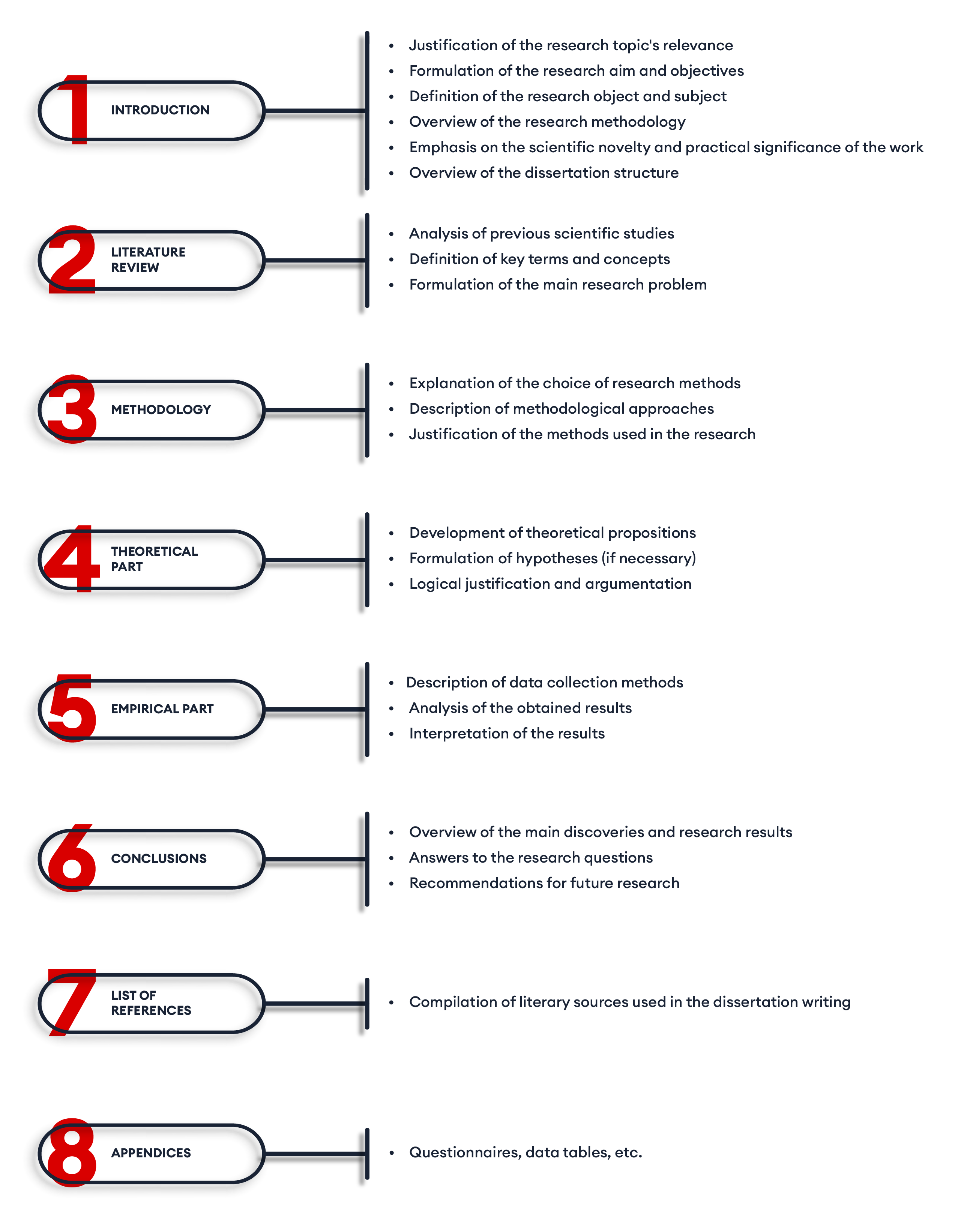
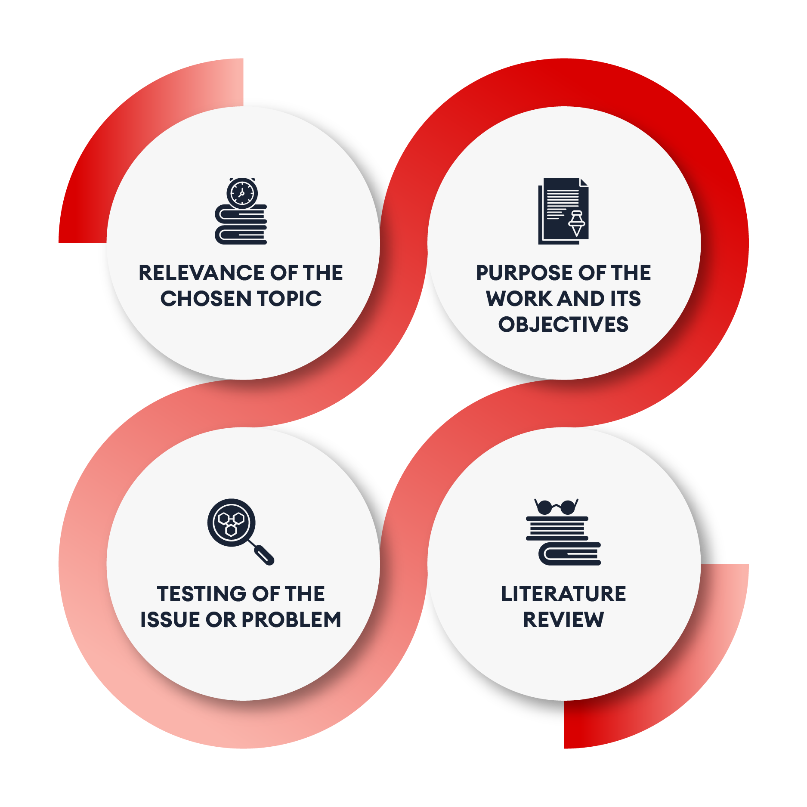
The introduction of the dissertation work justifies the relevance of the research, formulates the aim and methodology, and defines the tasks, as well as the object and subject of the study. The topic's relevance should be argued, noting its significance for the modern world. The purpose of the research should clearly define the author's achievement of final results, setting goals, and expected outcomes. The research methodology involves the use of specific methods necessary to achieve the stated goal. The methods provide direct guidance on how to achieve the specified results, describing the full course of the research. The number of methods used depends on the specialty and may include iconographic, analytical, descriptive, comparative, and other methods of theoretical generalization. The subject of the study defines the specific aspect being researched within the dissertation, while the object of work defines the broader or general context within which the research takes place.
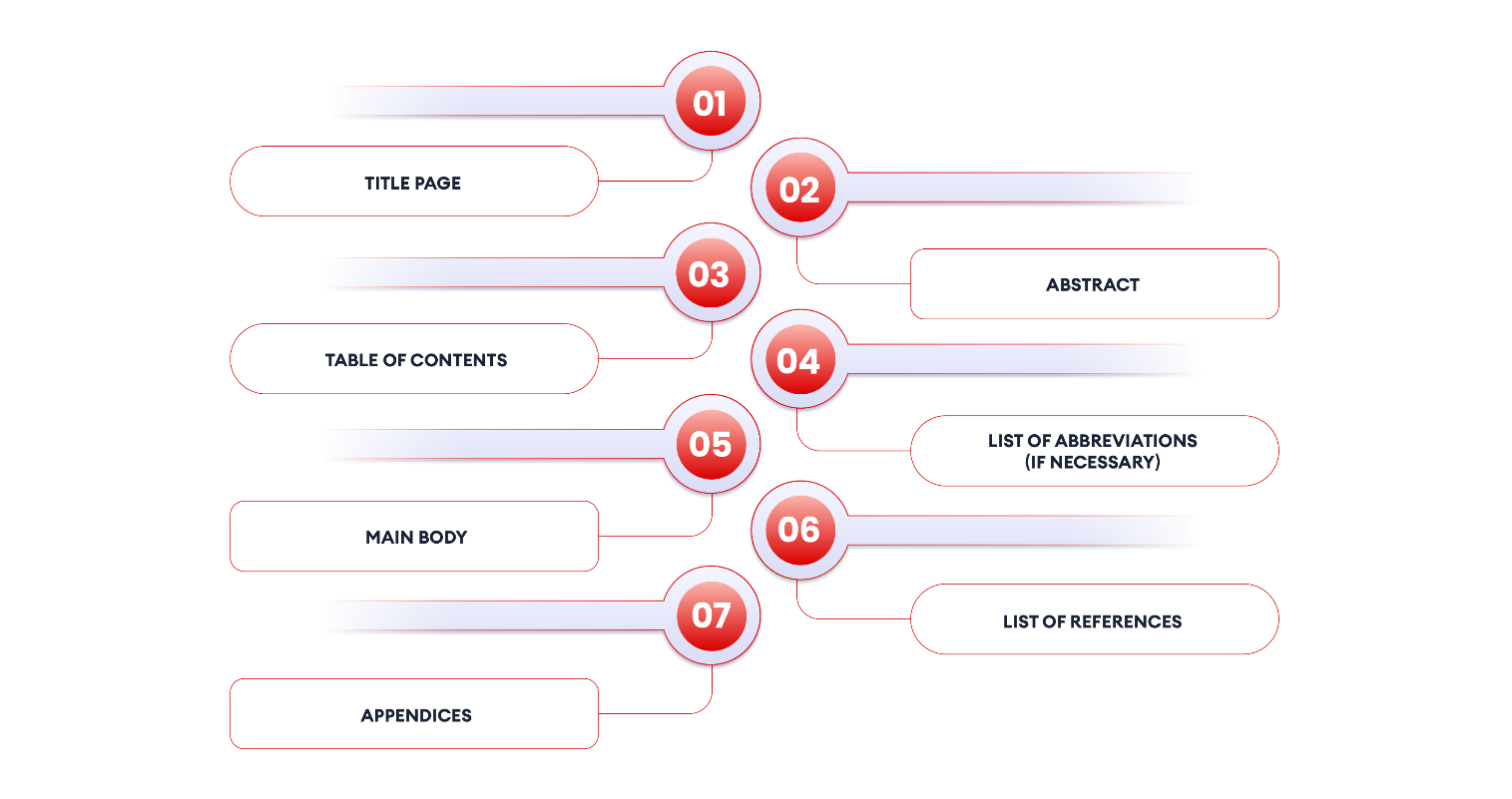
To familiarize readers with the work, an annotation is provided, which must be written in Ukrainian and English, respectively.
- The researcher: [Last name and initials of the researcher]
- Dissertation title: [Dissertation title]
- Type of dissertation and academic degree: dissertation for the degree of [indicate the academic degree, for example, candidate of sciences or doctor of sciences]
- Specialty (code and name): [Specialty code and name]
- Place of preparation: [Name of the higher educational institution or research institution]
- Place of defense: [Name of the research institution or higher educational institution, where the defense will take place in the specialized academic council]
At the end of the annotation, keywords are indicated, their number is from five to fifteen. After the keywords, a list of the researcher's scientific works on the topic of the dissertation is provided. The dissertation begins with a Ukrainian-language annotation and keywords in Ukrainian, after which the annotation and keywords are translated into English. After this, a list of publications on the topic of the dissertation is given.
The main part of the work is devoted to the consideration of specific issues and the disclosure of the chosen topic; it includes an introduction, chapters, and conclusions. In the conclusion, the graduate student presents the main provisions of their work and summarizes them as a response to the tasks set.
Appendices, such as diagrams and other graphic objects, are placed on separate pages and numbered alphabetically. Illustrations should have numbers and titles.
The list of references consists of verified scientific papers and monographs.
The list of used sources is formed in one of the following ways:
1. In the order of appearance of references in the text.
2. In alphabetical order the surnames of the first authors or titles.
3. In chronological order.
For professional assistance in writing a dissertation, visit the "Academic Works" page. We guarantee quality and fast creation of scientific works that will help you achieve your goals and advance your scientific career.

